Introduction
In an era where sustainable living, community engagement, and innovative design are paramount, architecture plays a crucial role in shaping the future. At the forefront of this transformative journey is PF&A Design, an architectural firm that envisions spaces not just as structures but as integral components of vibrant communities. This article delves into how PF&A Design is crafting the future through their visionary approach to architecture, and the lasting impact they have on the local communities they serve.
Designing Spaces for Tomorrow: The Vision of PF&A Design
What is PF&A Design?
PF&A Design stands as a beacon in modern architecture, offering innovative solutions tailored to meet the needs of dynamic communities. Based in Norfolk, VA, this firm has established itself as a leader among architecture firms, focusing on projects that foster sustainability and community engagement. But what truly sets PF&A apart?
Sustainable Practices: Emphasizing eco-friendly materials and energy efficiency. Community-Centric Approach: Engaging local stakeholders in the design process. Innovative Use of Space: Creative layouts that maximize functionality without compromising aesthetics.The Role of Architecture Firms in Community Development
Architecture firms serve as catalysts for change within communities. By integrating local culture, history, and needs into their designs, these firms can help foster environments that promote well-being and social interaction. When you search for “ architecture firms near me,” you’re often looking for expertise that understands the unique fabric of your locality.
Why Community Matters in Architecture
Communities thrive when their environments reflect their identity. This connection fosters pride among residents and encourages participation in civic life. Thus, architects must consider how their designs can contribute positively to this sense of belonging.
Key Principles of PF&A Design’s Philosophy
1. Sustainability at Heart
Sustainability is not merely a buzzword for PF&A Design; it’s a guiding principle. Every project aims to reduce its carbon footprint while enhancing the natural environment.
- Utilization of renewable resources Energy-efficient designs Green roofs and urban gardens
2. Collaboration with Local Stakeholders
Engagement with community members ensures that projects align with local needs and aspirations.
- Town hall meetings to gather input Workshops to discuss design options Feedback loops throughout the project lifecycle
3. Integration of Technology
PF&A Design employs cutting-edge technology to enhance both design processes and building efficiency.
- 3D modeling for accurate visualization Virtual Reality (VR) walkthroughs for client feedback Smart building technologies for enhanced functionality
Impact on Local Communities: Case Studies
Transformative Projects by PF&A Design
To illustrate their impact on local communities, let’s explore some standout projects:
1. The Greenway Project
This ambitious initiative aimed to revitalize underutilized land into vibrant green spaces accessible to all community members.
- Creation of walking trails Installation of parks with recreational facilities Engagement with local artists for murals and installations
2. Community Health Center Renovation
Transforming an outdated facility into a modern health center provided vital services to underserved populations.
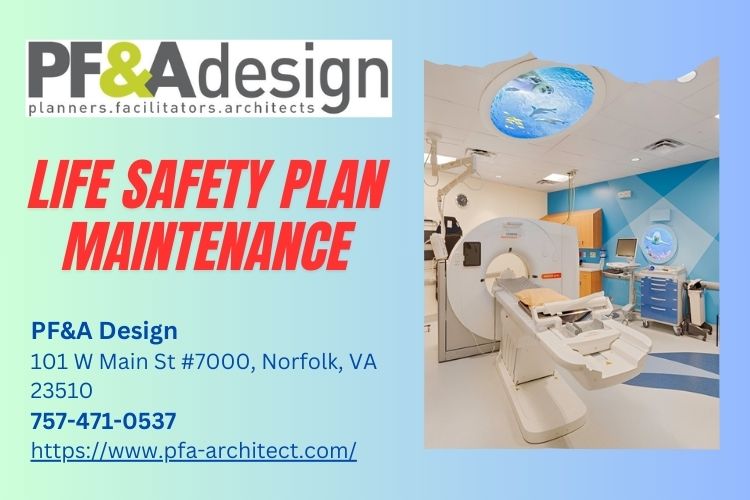
- Incorporation of natural light through strategic architectural lighting Patient-centered design promoting comfort and accessibility Community health programs integrated into the facility’s mission
Benefits Realized by Communities from PF&A’s Designs
The impact extends beyond aesthetic improvements; tangible benefits include:
Increased property values due to enhanced surroundings. Strengthened community ties through shared spaces. Improved public health outcomes from access to greenspaces.Architectural Lighting: A Key Element in Modern Designs
The Importance of Architectural Lighting
Lighting enhances not only the aesthetic appeal but also functionality within spaces.
How PF&A Incorporates Lighting in Their Designs
The firm carefully considers how architectural lighting can transform environments:
Natural lighting strategies that minimize reliance on artificial sources. Thoughtful placement of fixtures to emphasize architectural features. Use of smart lighting solutions that adapt based on occupancy or time-of-day.Case Study: The Role of Lighting in Community Spaces
Let’s examine how effective lighting played a crucial role in one specific project:
The Riverside Pavilion
Designed as a gathering space along a riverfront:
- Soft ambient lighting enhances evening events. Pathway lights guide visitors safely around the area. Spotlighting highlights local art installations.
Challenges Faced by Architecture Firms Today
Navigating Regulatory Hurdles
Regulations can often complicate architectural projects:
Zoning laws that restrict certain designs. Environmental assessments needed before construction begins. Building codes requiring specific compliance measures.Balancing Cost with Quality
Maintaining quality while adhering to budget constraints poses another challenge:
Sourcing affordable yet sustainable materials. Managing timeframes without sacrificing craftsmanship. Ensuring client satisfaction amidst financial pressures.Future Trends in Architecture That Will Influence Local Communities
Emphasis on Mixed-use Developments
Combining residential, commercial, and recreational spaces fosters vibrant neighborhoods where people can live, work, and play seamlessly.
Smart Cities Concept
Integrating technology into urban planning will create more efficient environments that respond dynamically to residents' needs.
Focus on Wellness-Centric Designs
Architects will increasingly prioritize health-focused elements such as natural light exposure, greenery integration, and air quality considerations within buildings.
Frequently Asked Questions (FAQs)
1. What types of projects does PF&A Design undertake?
PF&A Design specializes in diverse projects ranging from residential homes to commercial buildings, healthcare facilities, and public spaces—all with a focus on sustainability and community engagement.
2. How does PF&A ensure its designs meet community needs?
By engaging with local stakeholders through workshops and town hall meetings, PF&A gathers input which directly influences their design approach.
3. What role does technology play in modern architecture?
Technology enhances design accuracy through tools like 3D modeling while allowing architects to create interactive experiences using Virtual Reality (VR).
4. Why is sustainability important in architecture?
Sustainability reduces environmental impact while promoting long-term viability for both structures and surrounding ecosystems—an essential aspect for future generations.
5. How can I find architecture firms nearby?
You can search online or utilize platforms like Google Maps by entering terms like “architecture firms near me” or “local architecture companies.”
6. Can architectural lighting improve my home’s value?
Yes! Properly designed architectural lighting enhances aesthetics and functionality while potentially increasing property value through improved ambiance.
Conclusion
As we navigate an ever-evolving world filled with challenges ranging from climate change to urbanization, firms like PF&A Design embody hope through thoughtful design practices aimed architecture company at enhancing community well-being and sustainability practices across architectural landscapes worldwide! Their dedication towards creating spaces that resonate deeply within neighborhoods proves invaluable—not just architecturally but socially as well!
Contact Us


PF&A Design
Address: 101 W Main St #7000, Norfolk, VA 23510
Phone: (757) 471-0537
This comprehensive exploration highlights not only the capabilities of PF&A Design but also emphasizes its pivotal role within local communities—crafting tomorrow's spaces today!